
For my second group interview, I’m exploring the topic of inspiration: where the concept comes from, how much the book changes from that starting point, how to juggle too many ideas, and more. Seven wonderful authors from a wide range of genres have responded:
- Sarah Bourne, whose latest novel is historical fiction The Paris Resistance
- Tara Oldfield, a debut author writing historical crime, Diamonds, Furs & Murder: The Many Crimes of Mona Hayes
- Joe Lapp, who is working on Mennonites in the Hood, a memoir project
- Louise Ross, with her latest release, Slow Blink: A Memoir
- Sarah Hawthorn, who writes everything from thrillers to her latest, a romantic comedy Love. Camera. Action.
- Dani Netherclift whose unique memoir is in the form of lyric essay (Vessel)
- Rosie Schonell’s latest book is a picture book, Merrie Moo, The Cow Who Forgot What To Do
- I’ve also added my thoughts as a mystery writer of the Jade Riley Mysteries, the latest is The Desert Thief
Before you began your most recent book, what gave you the first germ of the idea?
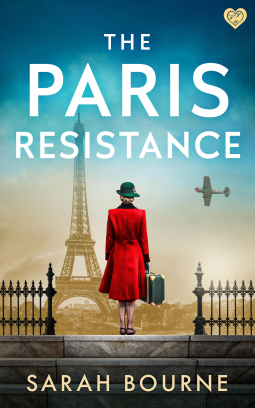
I was listening to the radio, I can’t even remember what programme, and someone said, ‘Of course, the war in Europe officially ended on May 8th, but for many, that wasn’t the end of it.’ That got me thinking about the aftermath of war, the personal stories that were far from over, the chaos, the brokenness, the gaps, both physical and emotional that had to be filled, or could never be filled. The need for revenge, the need for forgiveness. The difficulty for many of ‘just getting back to normal.’ And so, The Paris Resistance was born.
Sarah Bourne (The Paris Resistance, soon to be joined by companion novel, The House of Joy)
While working at the state archives, Public Record Office Victoria, I came across a 1930s criminal named Mona Hayes. I was so fascinated by her story that I continued to research her life in my own time. I was doing a writing workshop with crime writer Vikki Petraitis at the time, and she encouraged me to ditch the original story I was working on (which I had already fallen out of love with anyway) and write about Mona instead. So I did!
Tara Oldfield (Diamonds, Furs & Murder: The Many Crimes of Mona Hayes)
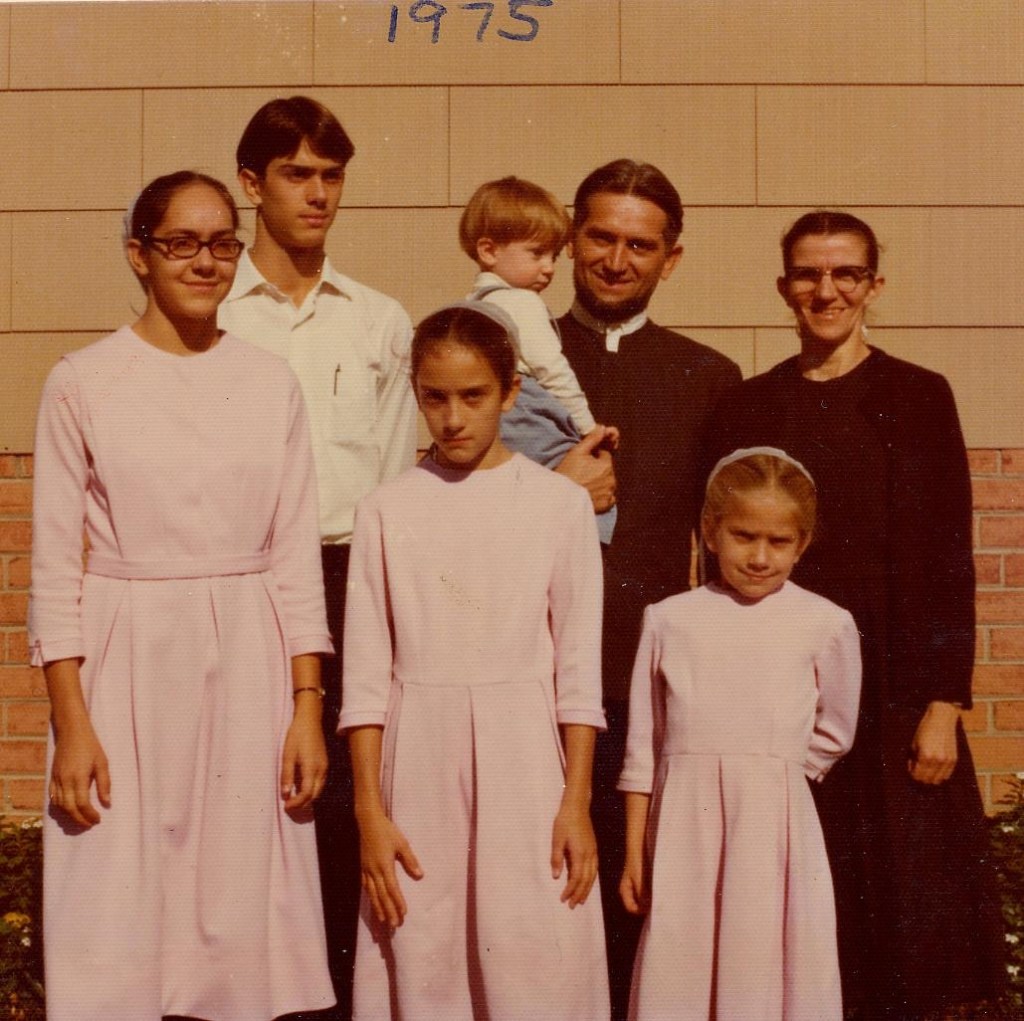
In college I was drawn to memoir. I grew up cross-culturally between a white, rural, Amish-Mennonite community and a Black, low-income neighborhood in Washington DC. I figured I was born into a good story with an up-front hook, why not write it?
Joe Lapp (Mennonites in the Hood memoir project)
I’d had the idea 35 years ago. And when it first came to me, I made notes on yellow cue cards, which I kept for years and did nothing with. The timing was never right, and I didn’t have the craft or the courage to bring the idea to life. But as sometimes happens there were a series of serendipitous events recently that I couldn’t ignore, and which I considered encouragement to finally write the story.
Louise Ross (Slow Blink: A Memoir)
In my teens I was lucky to meet my extremely eccentric distant relative, Kitty de Winton Kitkat (her real name! true!). She was a very one-off character – an environmental warrior way before her time and an author of self-published ‘naughty’ books – who lived by her own rules, secluded in her totally original cottage (i.e. no renovation had ever been undertaken) in the depths of the English countryside. My mother told me that family hearsay had it that she sat by her dead husband’s body for two weeks, refusing to leave him. That image was so powerful that it became the spark for my current book which is in final draft.
Sarah Hawthorn, (Love. Camera. Action.)
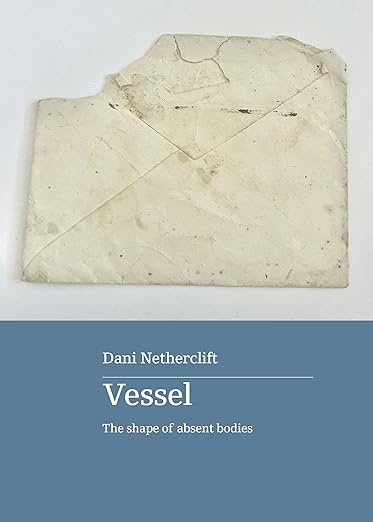
For the fragmentary book on memory, I had been reading Lydia Davis’s book Into the Weeds, about why she writes, and it made me think about why we set words upon a page. With my nonfiction books, I am thinking about form and concept, and original ways to think about them. Fictional novels are different, of course, and the novel I’m working on, which I began in 2014 or 2015, actually originated from an idea about ’touching’ the colour yellow, which is far from a spoiler, but it made me think of the sample aside in a paint store and from that came the opening scene.
Dani Netherclift (Vessel)
I have always loved children’s picture books; they are truly magical. I was cleaning out my huge bookshelf, at my husband’s insistence, and I kept stopping to read all the wonderful picture books in my collection. One of my favourite children’s authors is Pamela Allen, who wrote so many books with animals as the main character and I thought it was only natural that I should write a book about my own favourite animal. That left me with either elephants or cows but of course, living in Australia, it was much easier to write about a dairy cow on a farm!
Rosie Schonell (Merrie Moo, The Cow Who Forgot What To Do)
My first five books all began with the setting and everything else flowed from that. My plan was to write a book set it each of the places I’ve lived: Melbourne and Mansfield in Australia, Houston, Lagos and Doha. The Desert Thief is set in the Middle East, although I fictionalised the country as I didn’t want to step on toes. Jade lives in a compound, as I did, and many of the characters are expats.
Andrea Barton (The Desert Thief)
Have you ever had too many book ideas? If so, how did you choose between them?
I certainly have. In fact, I’d begun writing The Paris Resistance when another story began forming in my mind and getting more and more insistent. I made some notes and then got back to the Paris book, but I couldn’t get anywhere with it until the other book was written. So in the end, The Paris Resistance took me six years from initial idea to publication because my attention was demanded elsewhere!
Sarah Bourne (The Paris Resistance, soon to be joined by companion novel, The House of Joy)
I have snippets of book, movie, essay, short story, and poem ideas scattered across computer documents from multiple years, continents, laptops, and backup hard drives. I’m still plugging away, between family and career moves, on the memoir project I began 20 years ago. Sometimes I think I should give it up – maybe drop creative writing altogether, or at least change projects. But while I chose to start the book, now it feels like this work keeps choosing me.
Joe Lapp (Mennonites in the Hood memoir project)
Yes! I have many ideas, always! I write them all down – in stream of consciousness notes, which I keep in a folder on my desktop. Then when I’m ready to start a new project, I go back to my notes and I read through them while asking myself, ‘What idea am I most drawn to write about now?’ I trust my response to that question.
Louise Ross (Slow Blink: A Memoir)
I usually write 5-10,000 words to see if (a) the idea has the ‘legs’ to become a full length novel and (b) I love the characters and story arc so much that I can’t wait to get stuck in. Generally speaking, I probably work on, and discard, a handful of ideas before I find the one that works. Often, it’s an amalgamation of two or more of these early drafts.
Sarah Hawthorn (Love. Camera. Action.)
I don’t know what is too many? I have two potentially on the go at the moment, one is a fragmented, partly autofiction novel and the other is an experimental nonfiction work about the fragmented and connected ways that memory functions. I think the two favour and spark off each other, but ask me again when they are finished.
Dani Netherclift (Vessel)
Yes, I definitely have. Firstly, I will focus on the the ideas that keep appearing in my mind and disregard what I consider fleeting ideas. Then I will start asking myself which idea will I enjoy writing about? Which idea excites me the most? Do the words flow when I start thinking about it? Any idea which answers yes to all these questions is usually the right one.
Rosie Schonell (Merrie Moo, The Cow Who Forgot What To Do)
I constantly have an overrun of ideas, so I roll with whichever one speaks the loudest to me.
Andrea Barton (The Desert Thief)
Have you ever been completely devoid of book ideas? If so, how did you get past it?
I sometimes worry when I’m near the end of a project that I’ll never have another idea, and on occasion, I haven’t. I can’t force an idea to come – I’ve tried scratching around for an idea and trying to summon characters, but it never works. Even if I get as far as writing the first chapter, the writing is turgid and I bore myself stupid. So I’ve learned just to wait. Something will emerge if I relax. Like that comment on the radio.
Sarah Bourne (The Paris Resistance, soon to be joined by companion novel, The House of Joy)
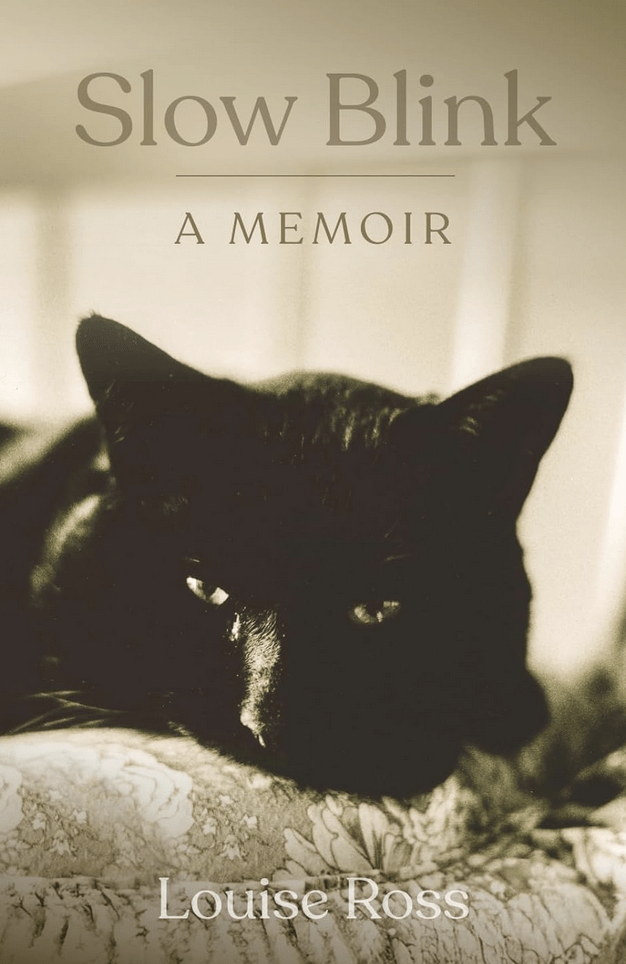
In truth, no. I tend to generate too many ideas, and certainly they’re not all worth pursuing! But I never discard the ideas, I simply record them all as possibilities for future projects.
Louise Ross (Slow Blink: A Memoir)
I find coming up with a killer central theme really hard. Once, when stuck in plot limbo, I turned to old Hollywood movies for inspiration. Even then, I wasn’t gripped by one standout idea – and I certainly wasn’t looking to copycat a screenplay. But I did watch a lot of fabulous, and not-so-fabulous, old favourites. And that’s when inspiration hit. The result was Love. Camera. Action. where every chapter reflects the storyline of a classic film.
Sarah Hawthorn (Love. Camera. Action.)
Yes. I went back and looked at the germs of old ideas (in the case of my current novel WIP, I had written multiple drafts of a full length, traditional manuscript between 8-11 years ago, but was never happy with it in that format), but as with any kind of block, I know practice will lift it, and it did. It’s so important to just sit with words each day, even if only a sentence or two, and to also have a reading practice. Because of these practices, I never feel stuck for long.
Dani Netherclift (Vessel)
When I get stuck for ideas, I immerse myself in stories. These stories might come from books, podcasts, audio books, movies or plays. I find doing this helps to spark ideas in my brain and ignites my imagination. Once that happens, I begin writing and the words start to flow. I’m a very firm believer in ‘writing begets writing’.
Rosie Schonell (Merrie Moo, The Cow Who Forgot What To Do)
I’ve never had this problem at a macro level, as I always have back log of ideas, but if I get stuck on the micro, I go for a walk to shake off the cobwebs or chat to my son Matthew, who is a plot whisperer.
Andrea Barton (The Desert Thief)
How much did your most recent book change from initial concept to completion?
The actual plot came to me more or less as it is, but I had to play around with the structure a lot. I couldn’t work out how the book began for maximum effect. My initial scene is now almost half-way through the book, and the scene that opens the book was about twenty pages in. Once I’d got that sorted out, the rest flowed.
Sarah Bourne (The Paris Resistance, soon to be joined by companion novel, The House of Joy)
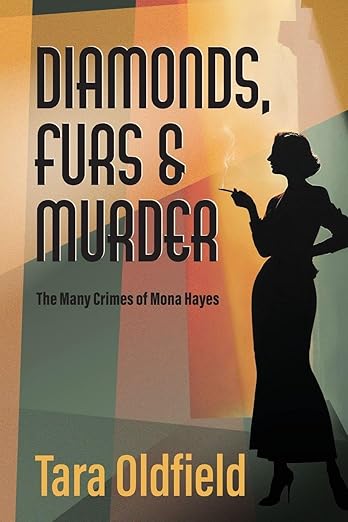
While I fictionalised much of Mona’s story, filling in the gaps in the public record, I stayed true to the facts where I could. Once I had chosen which years of her life to cover, I knew then exactly the key points the book would take. The only thing that changed was how much time I expected to devote to each portion of the story. For instance, Mona is at one stage sent to a convent for six months. I had planned to keep this section short – maybe a couple of chapters. But I loved writing about the convent so much that I just kept writing and kept much of it in. On the other hand I expected to spend a lot longer following Mona’s travels on the sideshow circuit. I ended up cutting about half of that as I realised the most interesting parts of her story all take place back in Melbourne.
Tara Oldfield (Diamonds, Furs & Murder: The Many Crimes of Mona Hayes)
When I first started on my cross-cultural childhood memoir, I ran an oral history project about the church my Amish-Mennonite parents started in a DC ‘hood. I thought I’d write a manuscript that mined this project, bringing in many voices to complement my own. But beta readers keep telling me it’s my story they want to hear. So, I’m slowly dragging myself toward placing ME at the center of the narrative, without completely losing the voices of others.
Joe Lapp (Mennonites in the Hood memoir project)
It’s a small memoir, the size of a novella. Because it’s based on events that occurred which I vividly recall, and because as I mention above I’d documented those events on cue cards, I simply evolved the narrative arc based on memory and the notes I’d taken. So less than one might expect, given that 35 years passed between the idea and the writing of it. The emotional core – what the story was really about – was always clear to me. What evolved was my understanding of its deeper meaning, and the craft to render that meaning on the page. What surprised me was what the writing itself revealed – layers I hadn’t consciously known were there.
Louise Ross (Slow Blink: A Memoir)
The core premise of High Land is a girl’s first tandem skydive that goes wrong, killing the instructor who sacrifices his life to save her. It seemed quite straightforward until I began writing, and stumbled over multiple plot hurdles – resolving them by invoking (frankly) hard-to-believe scenarios which required multiple re-writes. So whilst the high concept never altered, the execution most certainly did.
Sarah Hawthorn (Love. Camera. Action.)
It has changed massively, as I mentioned, it began as a traditional novel, with three different timelines and a whole host of different characters. I have pared it right back, lost two of those timelines (but added another), and it’s now fragmented and it utilises some images. The title has also changed. At first, I tried to work with what I had, and try to fragment it, but I realised I needed to begin from scratch with just the premise and the main characters, although some of the plot lines wills remain or re-emerge. This kind of fragmentation in writing is what I have a doctorate in, so I realised that if I wanted the MS to retain my interest, I needed to working in what I knew.
Dani Netherclift (Vessel)
I first came up with the idea of my character and trying to tailor this character to what I thought would entertain my audience. I then focused on what type of concept I could teach children through my character before finally coming up with the story. As a children’s book, I then considered whether the story could be told through the medium or rhyme and rhythm – and that was it! The only thing I ever really changed was the introduction of a few more characters to flesh out Merrie Moo’s world.
Rosie Schonell (Merrie Moo, The Cow Who Forgot What To Do)
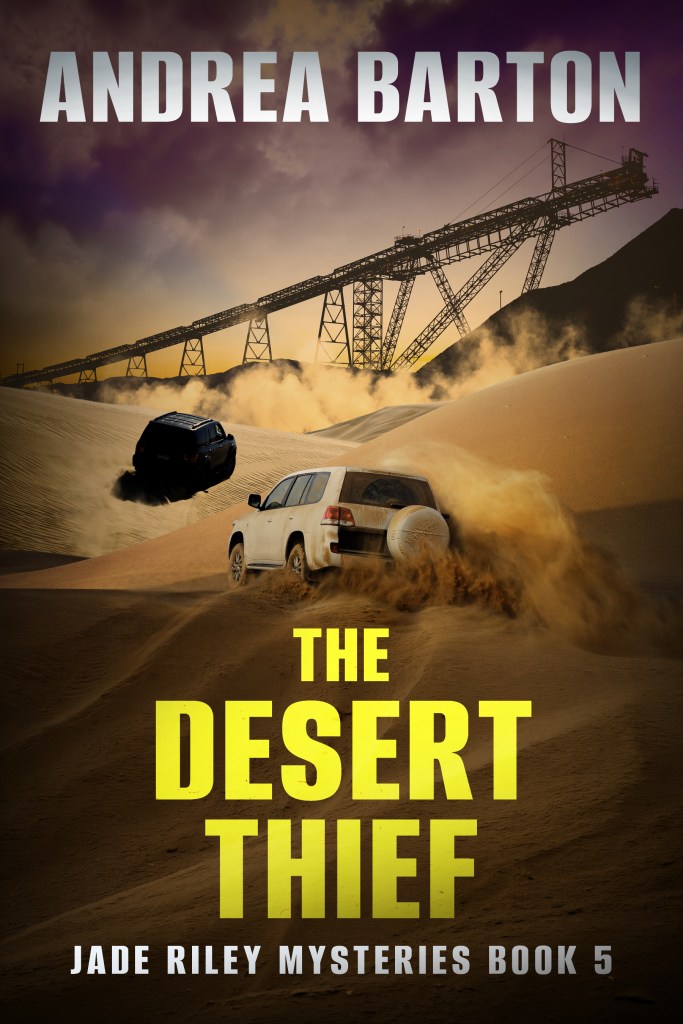
My book changed profoundly. I began it in 2015, when I still lived in Doha and it only came out this year (2026). Initially, Jade was called Tara Wells and was a psychologist. She’s now Jade Riley, a journalist. The book was titled Following Betsy Sharpe as Tara wrote a blog under a pseudonym (note initials BS) and I shared many of her blogs in full. Now The Desert Thief, Jade still writes the Betsy blog, but I only share relevant extracts of the posts.
Andrea Barton (The Desert Thief)
How do you decide where to set your books?
The Paris Resistance was easy – it had to be in Paris! But although I have lived in Australia for over half my life, I can’t set a book here. Every time I try, my characters pack their bags before the end of the first chapter and hop on a plane to England. Once there, they usually settle in London, my hometown, or somewhere else I know well enough to write about with authenticity. Having said that, my characters have also found themselves in Pakistan, Afghanistan and the Shetland Isles.
Sarah Bourne (The Paris Resistance, soon to be joined by companion novel, The House of Joy)
As a writer, my home neighborhood in Washington DC seems to have a grapple-hold on me, even though I haven’t lived there for decades. It’s a marginalized neighborhood of color populated by Southern Black families who came to DC for opportunity then ran smack into the twin challenges of racism and urban public housing dysfunction. There are so many heroes and villains in this hardscrabble, two-block-square maze of sidewalks and alleys – with an amazing, tranquil, riverside water garden thrown in adjacent for 180-degree contrast. Sound like a book? I’m trying…
Joe Lapp (Mennonites in the Hood memoir project)
Place does feature in my writing, perhaps because I’ve lived in four countries on four continents, each affording rich and varied opportunities for storytelling. My new memoir Slow Blink begins with my childhood in rural Australia, moves through my young adult years living in Colorado, and concludes in Lisbon, Portugal, where I’ve been based for the past twelve years.
Louise Ross (Slow Blink: A Memoir)
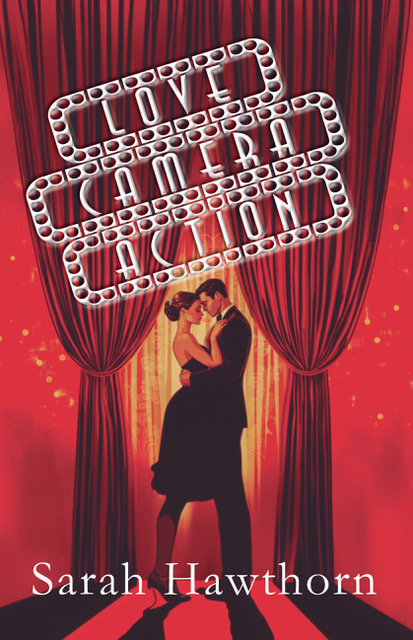
I like using locations that I know, even if I’ve only visited for a short time. I also love research, so I’m always happy to pick a place as a setting that I’ve not previously written about. Sometimes the story, of course, dictates where the book will be set. Other times, I’ll chose a location first and in the course of my research, come across fascinating facts which can be woven into a sub-plot.
Sarah Hawthorn (Love. Camera. Action.)
My book is based in places I have lived, and know well, partly in Northcote, Melbourne, and partly in a fictionalised version of the town my parents and grandparents came from. I intuitively chose Northcote, I could just picture a house on a street between the train line and High Street, and I know I could authentically write that setting. I came to the other fictional town later, but for the same reasons.
Dani Netherclift (Vessel)
I’ve spent a lot of time on the south coast of NSW, which is an area dotted with idyllic dairy farms. It was the obvious spot for my imagination to arrive at.
Rosie Schonell (Merrie Moo, The Cow Who Forgot What To Do)
I based them in places where I’ve lived.
Andrea Barton (The Desert Thief)
What gives you inspiration for your characters?
In my last book, my first thought on hearing that quote on the radio was Revenge. So I immediately had a theme I wanted to explore. Then the first scene (which became a later scene) came to me, complete with the person who would carry out such an action. I try and put myself in my character’s shoes and decide what traits they need, what flaws would get them into trouble, and how they need to change in order to succeed in whatever they’re trying to achieve in the book. Luckily, I’ve been an inveterate people-watcher all my life, so I have a store of traits and behaviours to draw on!
Sarah Bourne (The Paris Resistance, soon to be joined by companion novel, The House of Joy)
Most characters in Diamonds, Furs & Murder: The Many Crimes of Mona Hayes were based on people who lived in the 1930s. A handful of characters I had to create due to gaps in the public record. For instance, the convent archives are closed so there was no way of finding out who was with Mona while she was there. That meant I had to create a series of women in the convent she could interact with. I was inspired by consuming all I could about the types of women sent to the Sacred Heart section of Abbotsford convent. I took advice from historians, read books (both non-fiction and fiction) and watched movies about similar convents from around the world. Then I just let the writing take over, and the characters largely created themselves!
Tara Oldfield (Diamonds, Furs & Murder: The Many Crimes of Mona Hayes)
Out of my home neighborhood’s cast of rural-meets-urban characters, I’m drawn to two types. First, the drug dealers, especially a handful of childhood playmates who found selling their most lucrative job option while I was away at college. Second are the country bumpkins who came to DC to volunteer at my parents’ church and got a real education in hard-knock urban life. The contrast between these two groups is vast, yet successful cross-cultural relationships grew.
Joe Lapp (Mennonites in the Hood memoir project)
Real life! Slow Blink features events and people from my life 35 years ago. The two interview-based books I wrote prior explore the expatriate experience through the voices of real people. The rom-com novels I wrote 25 years ago feature characters drawn from composites of eccentric, fun and funny people I knew personally. And my children’s book was inspired by the artist’s paintings whose beautiful, whimsical art features in the book.
Louise Ross (Slow Blink: A Memoir)
Most of the time plot comes first and it’s not until I’ve nutted out a basic storyline that I can see and hear the various characters required to bring it to life. Other times, initially I’ll have a particular family member, friend or acquaintance in mind, but as the novel takes off, so too the characters often need to change to suit my purposes. If I get really stuck, or think someone is too dull, I’ll create a quirky foible or unusual backstory for them.
Sarah Hawthorn (Love. Camera. Action.)
There are three main characters in my novel, one is definitely inspired by my mum, one is based on the kinds of Greek women I knew when I went to high school in Northcote in the 1990s, and the other is a composite of some different people and fictional elements. It’s the premise of my story that gave me inspiration for who these characters were and what they might be like.
Dani Netherclift (Vessel)
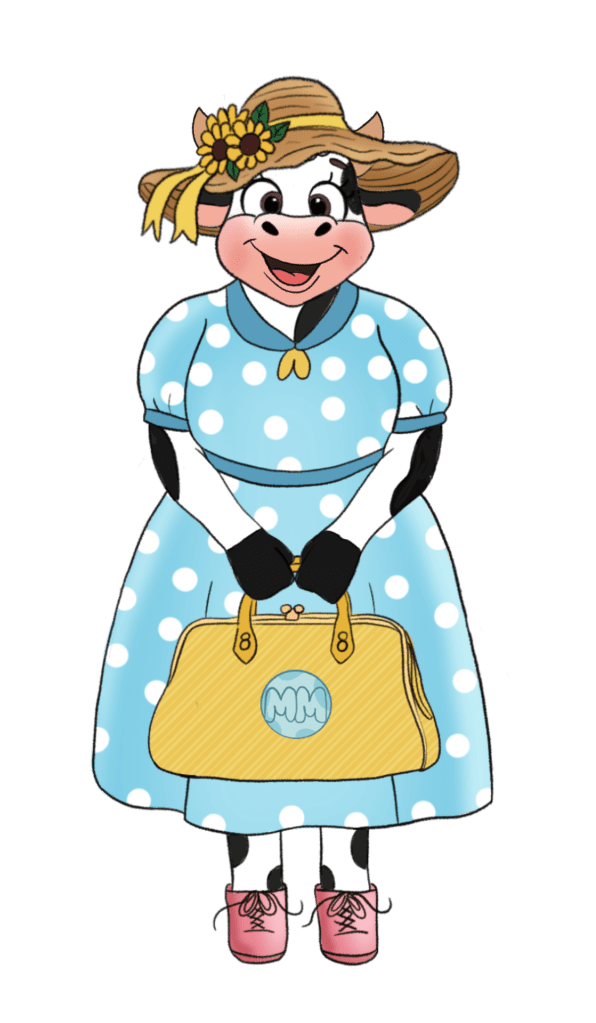
Getting into the mind of my audience. What would a child enjoy? Would this entertain a child past the first few pages? What can a child learn from my story? Are the character’s traits relatable?
Rosie Schonell (Merrie Moo, The Cow Who Forgot What To Do)
I often take traits of people I know and twist them but as soon as I get writing, the characters take on their own personality.
Andrea Barton (The Desert Thief)
Can you offer once piece of advice for authors seeking inspiration?
Let it come to you. You can’t chase it. Jot down any ideas that come to you, and make a few notes, and then leave it be. If it’s got legs, it’ll stick around in your subconscious and at some stage, it’ll burst forth, maybe not fully formed, but with enough substance to work with.
Sarah Bourne (The Paris Resistance, soon to be joined by companion novel, The House of Joy)
Sometimes fact is stranger than fiction. Take inspiration from real life and shine a light on histories that haven’t been told.
Tara Oldfield (Diamonds, Furs & Murder: The Many Crimes of Mona Hayes)
Look for quirky contrasts in people, places, and cultures that make you want to dig in and learn more, then weave stories around these differences. If your own life is placid, mix it up and root around to find heroes mining their own divergence.
Joe Lapp (Mennonites in the Hood memoir project)
Observe keenly. Listen. Wonder. Day dream. Read broadly. Watch movies. Be curious. And the moment you experience a spark, a kernel of an idea, write it down! Don’t worry about form, just write it down and capture that flash of an idea. If it’s meant to evolve into something, you’ll know.
Louise Ross (Slow Blink: A Memoir)
Truth, they say, can be more peculiar than fiction. I keep newspaper stories that fascinate me and review them to see if anything pops out and makes me think, ‘That would make a good book.’
Sarah Hawthorn (Love. Camera. Action.)
Read, read, read, and pay close attention to the world around you. Stop looking at your phone (unless you’re reading a book on it).
Dani Netherclift (Vessel)
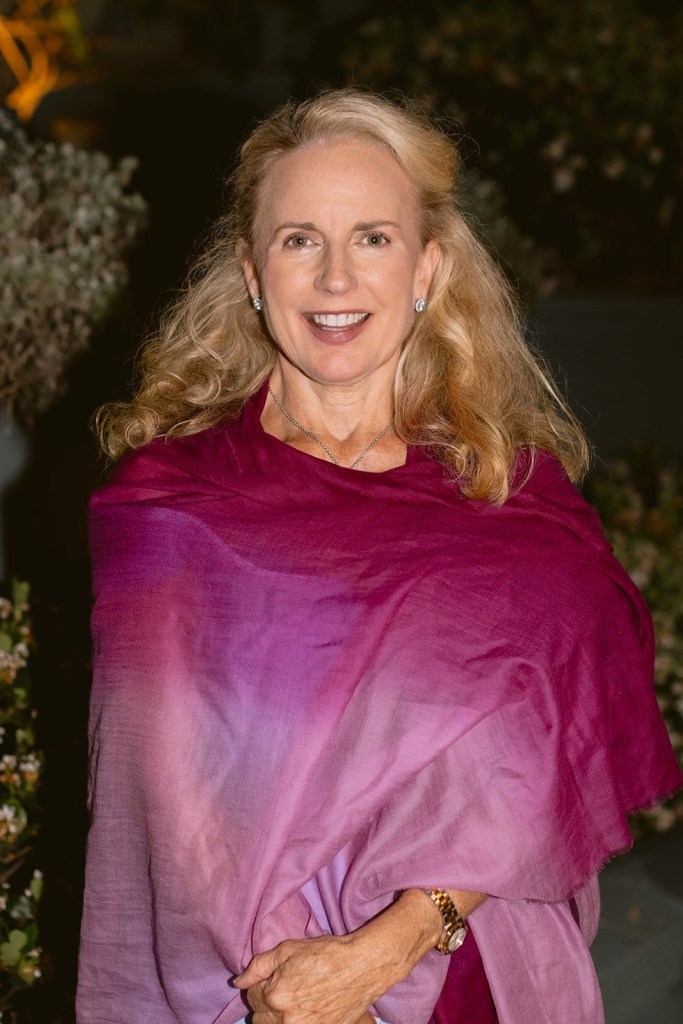
Pick an idea, character or an experience that you love or excites you. As you start jotting down words, more ideas will flow. The writing will be less onerous as your passion takes over.
Rosie Schonell (Merrie Moo, The Cow Who Forgot What To Do)
Take the elements of your life – places, people or topical issues – that resonate most strongly for you and twist them into fiction. Andrea Barton (The Desert Thief)
Next time: I discuss my full series in My Favourite Jade Riley Mystery
Next group interview: Group Interview 3: Strong Female Leads in Genre Fiction


3 thoughts on “Group Interview 2: Inspiration”