
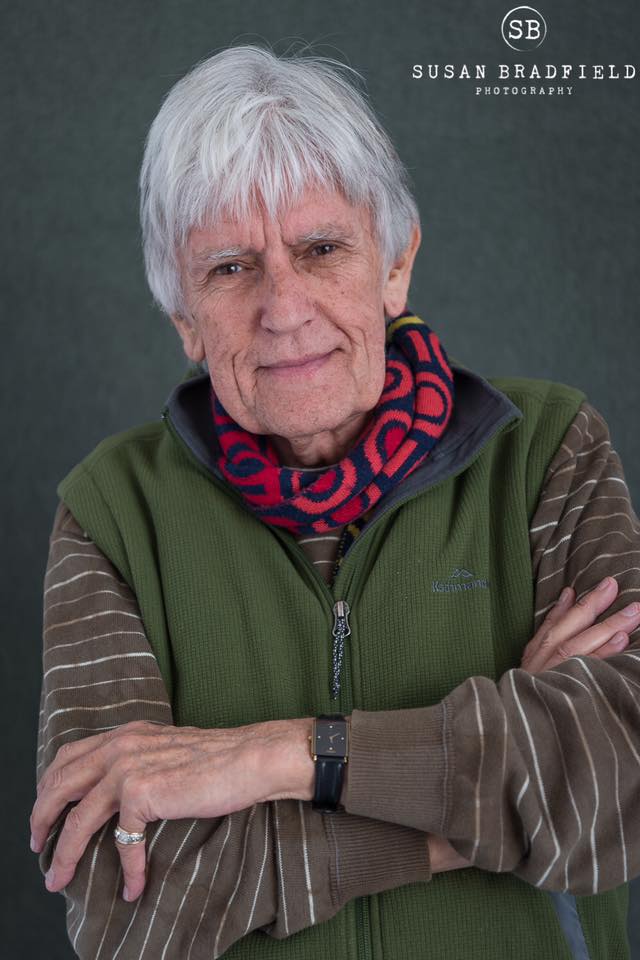
My dear friend, Danny Finley, drummer in MPD Limited, is the real-life inspiration for the character called Danny in my mystery novel, A Killer Among Friends. Danny’s behaviour in the book is made up, but like his namesake, he is a drummer in a rock band. To make sure I got the details right, throughout the writing process, the real Danny shared his experiences as a musician.
Join us as we chat about the joys and challenges of life as a performer and his life after music.
When did you decide to become a musician?
I wanted to be a drummer from four years of age. That’s all I thought of, much to the chagrin of my mum and dad.
I played on pots and pans until my parents finally bought me drums and put them in the lounge room. They were so supportive and never once asked me to stop playing. I didn’t realise how good they were at the time, but I fully appreciate it now.
I listened to the DJs from Melbourne and Sydney until late in the night and dreamt that one day, I’d play at Festival Hall or meet Johnny O’Keefe or be a rock n roller or have long hair like so and so.
I had no tuition, but I’ve spoken to people for hints along the way.
What is the best thing about being a musician?
Music is the international language. It’s an incredible escape for me, like Wonderland. My life as a very average drummer was a dream. Every show I did was a thrill.

There are degrees of excellence to every performance, from not so good to great, but when you click and the band plays well together, there is a fabulous feeling. The reception from the audience can be uplifting.
Some performers only have an internal focus and don’t interact with or care about the audience, but we always did. My idols always did too.
Who were your idols?
I knew the names and histories of so many old timers in the forties and fifties and all the current groups.
Gene Krupa was a fantastic drummer. I knew his life story. In my travels, I picked up a signed album from him in a second hand shop. That was as close as I got to Gene Krupa.
I also loved Johnny O’Keefe. Without a doubt, he was one of the pioneers of popular music in Australia. I loved watching him and eventually did shows with him.
What were some of the most special moments in your career?
Our first show at festival hall was magical, then in Brisbane and Sydney. I was living the dream, it was so good.
But the real highlights came after that era when I managed my ex-wife, Colleen Hewett. She had enormous quality in her voice and achieved incredible heights. A one-off, she did plays, movies, everything.
The highlight of my management career was seeing her perform in The Boy From Oz with Hugh Jackman. Her performance felt like a culmination of years of work for us. We’d met Peter Allen in the early years. When I was 16, I backed The Allen Brothers in in a little band I was in, and all those years later, he became a superstar. He was particularly kind to Colleen when he insisted that a TV producer give her another rehearsal on an important show.
Colleen and I remain great friends to this day.
I must say, having a character named after me in a book is also something special, but having the book dedicated to me is an honour I’ll always cherish. I am absolutely thrilled. It was like hearing our record on the radio for the first time.
Was it fun being involved in the movie world?
I remember going to my first movie when I was four, and when we went to America, we represented Bert Newton and visited all the Hollywood movie studios to arrange interviews for him.
One day Colleen called me excitedly, saying, ‘I just spoke to Mr. Magoo.’ Jim Backus, the voice of Mr Magoo, had returned our call about doing an interview with Bert. The dream continued for me – it all felt unreal.
Let’s talk about the flipside. What was the hardest aspect of being a performer?
I’ve developed a philosophy later in life about no expectations. I wish I’d understood that when I played in my first band at thirteen because if you’re in the creative world you’re destined for disappointment.
If you’re not emotionally prepared for the ups and downs, it can be very difficult when the hit records and tours stop coming, and you’re not getting any recognition. Your confidence takes a dive. Taking all that personally is painful and ridiculous.
As well as performing, you’ve mentioned that you started managing other performers. Can you tell us a bit more about that?
I’ve represented a number of major artists and sport stars in Australia, some of whom are household names. My friend Kevin Bartlett, one of the greatest footballers of all time, says, ‘They succeeded despite Danny managing them.’
Working with footballers was an important part of my development. I noticed that even though I was dealing with legends of the game, they never talked about themselves, never. Even Kevin, who was so good they changed the rules to stop him, never sat down and talked about how many goals he kicked. It’s so refreshing.
The biggest names I represented in show business were the same, although others did talk about themselves. It seems to be a by-product of the industry.
Do you have any advice for aspiring musicians? What traits do they need to succeed?
Determination, luck and talent.
They say you have to do something for 10,000 hours before you can really do it, and that’s what I’d say to drummers or writers or any creative. Keep writing, keep drawing, you just have to keep at it. But if your name’s Van Gogh, you’re not going to make it until you die!
I once took one of Colleen’s records to 35 record companies in America. Before I arrived home after the last one, to get a laugh, I ripped my shirt into shreds.
Colleen asked, ‘What’s happened?’
I replied, ‘It’s tough in Hollywood.’
When we came back to Australia, I pitched the record to one company, the 36th one. They took it and the record went straight to number one. There was no luck there, it was just hard work in crafting the record and hard work in selling the record. You can’t take it personally.
People say you make your own luck, but that’s not entirely true. When we were first married, Colleen and I were walking down Exhibition St. We heard music coming from a building and went in to find they were auditioning for a new play, Godspell.
When they found out Colleen was a singer, they asked her to audition. They were so knocked out they wouldn’t let her leave the theatre. They could see her ability but there was a lot of luck that we were in the street that day.
Talent is a distant third in my book, although it’s handy to last a long time. We’ve all heard of one hit wonders.
Sounds like creatives need a lot of resilience or it can take an emotional toll. How do you suggest managing this?
It’s no good trying to be a rock and roller if you aren’t confident. Self-belief is like a basic building block for every human. Of course, there’s a difference between confidence and arrogance.
As I mentioned earlier, the best sportsmen I knew were confident, not arrogant. The difference is a footballer will display confidence on the field, but they won’t talk about it at the coffee shop.
As well as this, in any creative pursuit, one needs to work on keeping the emotions under control. Taking criticism and feedback can be too personal otherwise. How artists can put their work up there for academics to assess and criticise, I don’t know. It’s torture.
The biggest mistakes I ever made were because I acted on my emotions instead of listening to the wise person within. Always trust the wise person within. I didn’t always do this and I wish I did. I always look back and think how much better I could have done things.
Can you tell me about the charity you started called, I Wish I’d Asked?
After my management career and a very ordinary business career, I developed a charity based on a conversation I was having with my friend Eva Gruen.
I commented to Eva and her husband Nick that I wish I’d asked my parents more questions about what they did, and Nick said, ‘That’s a great name.’
We developed the idea of taking school kids to meet people in retirement villages to share the wisdom of older people. We conducted a very successful pilot in Shepperton, and it gave me enormous joy. It’s about conversation not text-ersation. Conversation is very important.
So what’s next for Danny Finley?
There’s plenty more I’d like to achieve, like art, for example. I love painting.
I’m also writing a play about Colleen. It might not ever come out, I don’t know, but I’m enjoying working on it.
I remember at school when teachers said, ‘Stop daydreaming.’ I never want to stop dreaming.

It’s been a great new experience watching you create A Killer Among Friends Andrea, and I liked how Danny in the book continued his dream after music. A good tip for us all. I hope you invite me to the next chapter, and thank you for this one, Andrea.
Next time: An interview with Sandra Lording on the Dogs of Mansfield Book Project.
 Brightside Story Studio
Oh gosh, I loved reading this. such a great insight, not only into the life of a musician, but also the life of a writer (the inspiration and experience Danny brought to your process). “Always trust the wise person within.” Such sage advice, although I had a little chuckle thinking “just as well I didn’t trust the person within when I was a teenager” ’cause she wasn’t quite so ‘wise’. The years however, bring some element of wisdom to us all. Haha!
LikeLiked by 1 person
I’m so glad you enjoyed it. And it’s true, how do we know whether we’re listening to the wise person within or the teenager? Lol
LikeLike
Love this tale of the talented Danny Finley. I wrote a short tribute to my dear friend who departed this world unexpectedly. She too an incredible musician with more than a touch of art…If you would like to read, it is entitled, “The Day the Music Died.” on my site. Thank you for memory of my friend in this post.
LikeLiked by 1 person
Really insightful post — thanks for sharing! 🙌
For anyone interested in premium quality hair extensions, I’d recommend checking out World Hair Extension. They offer a wide range of 100% human hair products that are perfect for achieving a natural and flawless look. Great quality and customer service! 💇♀️✨
LikeLike
….This is a FABULOUS article…I remember Danny in M.P.D. Limited in the 1960’s. Such an amazing and ‘theatrical’ drummer…..They were a 3-pice band who (at dances and concerts) sounded like a 60-piece orchestra. Danny was quite the character…..and a crazily lovely human….. His charity work these days, is a credit to him….. ROCK ON, Danny! – Love ya!
Susie G.
LikeLiked by 1 person
You are so right, Susie! Danny is a fabulous human.
LikeLike