
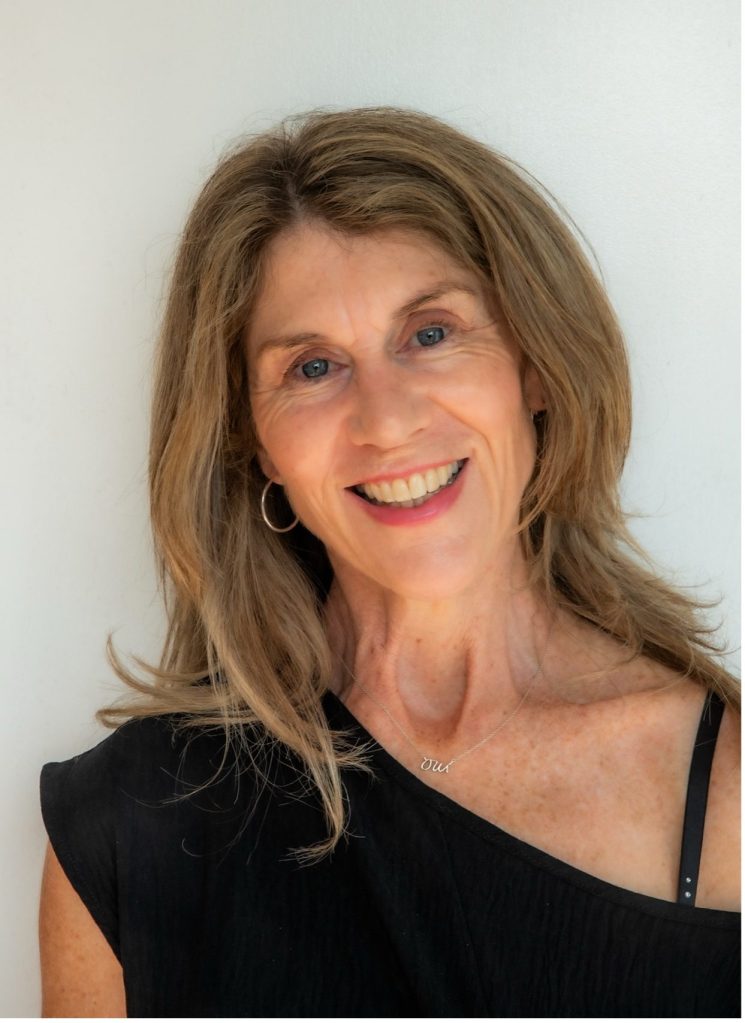
Susannah’s latest novel, My Hot Housemate, draws on her experience as an actor, her love of dogs and her razor sharp wit. Join us as we talk about romcom tropes, the parallels and differences between writing and acting, and much, much more.
Can you please share the blurb for My Hot Housemate?
An insufferable housemate, and her toughest acting role yet. One moment, actress Indigo James is on the verge of success in LA; the next, she’s back in Sydney, housesitting an enormous, demanding labradoodle named George. To make matters worse, she’s stuck with an unexpected housemate, the insufferable Jeremy Taylor, and living together quickly becomes unbearable. But as the tension between them starts to sizzle, Hollywood calls, forcing Indie to choose between the role of a lifetime and the man of her dreams.
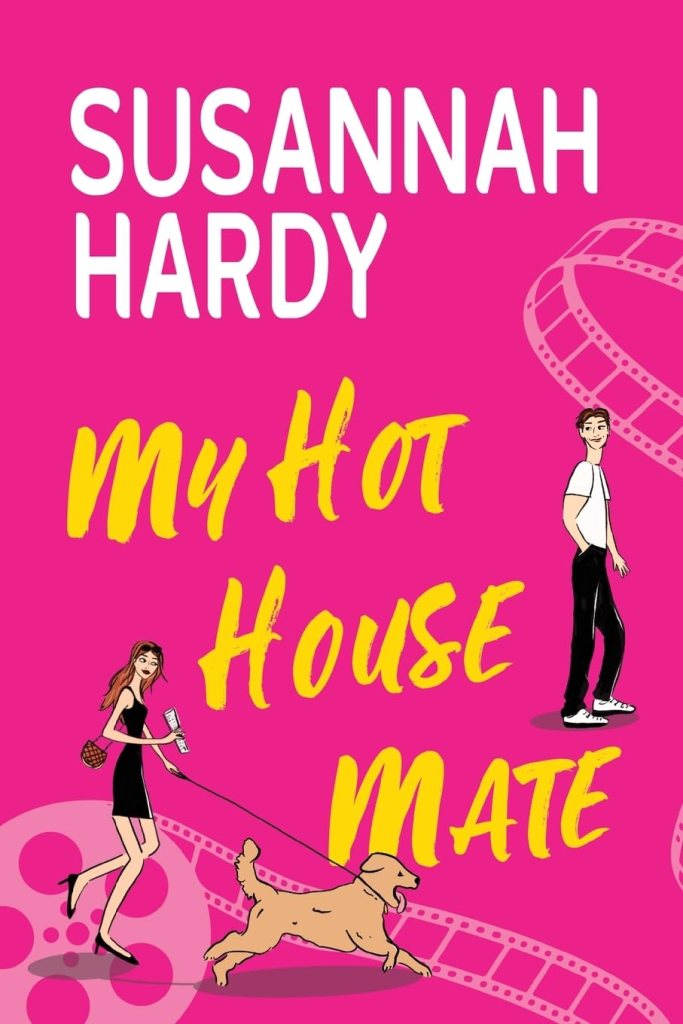
Your background is in acting. Was it an easy choice to make Indigo an actor?
In my first book, Loving Lizzie March, I wasn’t game to make the lead an actor, although Lizzie’s character is inspired by a character I wrote for stage. In My Hot Housemate, I was ready to tackle an actor character head on. I know the environment and how it all works, so I made the lead an actor.
I wanted Indie to have a dream career that I would have loved. She gets the job. That’s what we love about romcoms because things work out and have a happily ever after.
What are the parallels and differences between writing and acting?
I do both and enjoy both because they are creative and give me joy. I started writing as an actor, then moved into freelance and then to fiction. The creativity aspect is very similar. They are both about connecting with emotion and crafting a character – one is on the page, and one is in the body.
You can be a published author and have a day job, but as an actor you have to be available and able to travel. With a family, it’s very difficult to fit that in. At the moment, I’m very busy with teenage kids so I can write more easily than act. I can get up on Monday morning and just do it, and it doesn’t matter what I look like. I can have more control, while acting relies on having more balls in the air.
But it takes so long to write a book. With acting there’s an immediate connection with an audience. It’s such an amazing feeling when you get a job, but they don’t come that often.
Do both art forms give you performance anxiety?
I always get nervous when acting, and I’ve been around so long I know how to deal with it. Take the focus off yourself and put it on the job. I’ve been to auditions when I’m chatting to the other actors while waiting and I’ve lost focus on what I’m about to do. You really have to stay on point.
As a writer, I don’t experience anxiety in terms of writing for work. I can always start. I just sit down and words will come. My anxiety is about getting published, especially if I think about how everyone else is getting published but not me. I’ve learnt not to compare myself to others. Everyone is doing it for different reasons. Everyone has their moment in the sun.
For both, but particularly in acting, unemployment is a huge worry. You might get an ad for $10k that pays off the credit card, but even actors you think are hugely successful might only do a couple of jobs a year. At the end of the day you’re very lucky to be doing either because it’s a joy. Nobody is forcing you to do this, so you can’t get too whingey about it.
Can you explain what a trope is and why they are important in genre fiction?
Tropes are general themes, for example fish out of water or enemies to lovers, fake dating, friends to lovers or second chance love. They are important in romance because readers know what they are getting. It’s how it happens that’s exciting.
When I wrote Loving Lizzie March, I didn’t fully understand what a trope was, although I knew about them from TV without knowing what they were called. I loved Offspring because Asher Keddie’s character would meet a guy who we couldn’t stand but by the next episode, we loved him. It was all in the writing. We saw other characters through the central character’s eyes, so we fell in love as she did.
I went to my first Romance Writers of Australia conference (held once a year) and they spoke about tropes. At that time, Lizzie wasn’t getting picked up by publishers, and I thought, ‘I don’t have a trope’. I figured I needed to write a ‘proper’ book including tropes.
I’ve always loved enemies to lovers, so I chose that, although My Hot Housemate is more fremies to friends to lovers. It’s also forced proximity, where the characters are stuck in the one place. Indie and Jem are sharing a house and can’t leave that scenario for three months.
Of course, then Lizzie sold, and I thought, ‘Oh no!’
One of the most adorable characters in the book is the labradoodle, George. Why did you choose a dog?
At the conference, a speaker said, ‘Dogs are popular right now.’ That was 2018, and now it’s 2025, so this is why you shouldn’t follow trends, but I think people always love dogs.
I wanted the dog to be a real character and for readers to fall in love with George. I drew inspiration from Enid Blyton. As a young person, I loved how she wrote Timmy the dog in The Famous Five. She wrote in third person but every now and then, she shared something from Timmy’s POV.
I wanted the dog to be another big problem for Indie and Jem, adding complex dynamics – a way for them to bond or make them competitive.
Given the current state of the world, do you think we need more romcoms in the world?
I’ve always loved romcom movies and books and think you can never have enough. When I first wrote Lizzie I was told, ‘I don’t know about romcoms in Australia,’ and then Covid hit, and I got a deal.
In the last few years, things have become so bleak, which is the first time my generation have experienced this, and people need an escape. The popularity of the romcom genre has really skyrocketed as it’s providing what people need. BookTok is helping and people are out and proud reading romcoms. There are a lot of really good writers like Emily Henry who are becoming viral. It’s certainly having a moment.
Your books might appear to be light, but they also cover some more series themes. What can you tell me about that?
Humour is a great platform to explore deeper emotional themes – big topics like death of a partner, domestic violence or substance abuse. By telling it with comedy and loveable characters, it’s more palatable. Even Shakespearian tragedies have laughter. It’s the sad side of a clown. Romcoms aren’t just light and fluffy.
So what’s next for Susannah Hardy?
I’ve almost finished my next manuscript, a sports romcom about mums who play soccer together. It’s friends to enemies, fish out of water and second chance romance – finding another life through soccer. It explores the value of team sport even later in life, which I may or may not have gone through myself.
You can follow Susannah on:
Website: www.susannahhardywriter.com
Facebook: @susannahhardyauthor
Insta: @susannah.hardy
Booksales link: Hawkeyebooks
Next time: an interview about Danny Finley’s life lessons learned through music
 Brightside Story Studio
A dog-loving actor named Indigo. What’s not to love?!
LikeLiked by 1 person
100%
LikeLike